

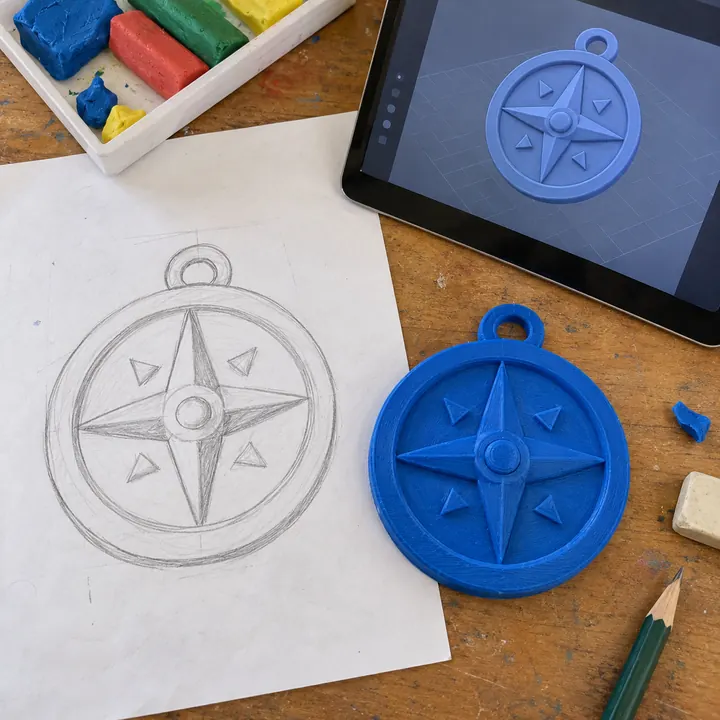
The December break raises the same question at many schools: students are off for weeks while many parents are still working. More schools now run a Holiday Class, a short holiday camp on their own campus with activities that feel different from regular lessons. This guide covers six formats to choose from, a sample schedule, and what the school needs to prepare.
What is a Holiday Class?
A Holiday Class is a 5- or 10-day programme of creative and STEM activities during the holidays, usually one session a day of up to 90 minutes. Activities range from robotics, science experiments and ceramics to photography, manga drawing and archery.
For the school, it keeps students active and connected during the break. For parents, it is a safe activity in a place their child already knows. Common timings: the December end-of-semester break, the June–July break, or the class-meeting week after final exams.
6 holiday camp formats
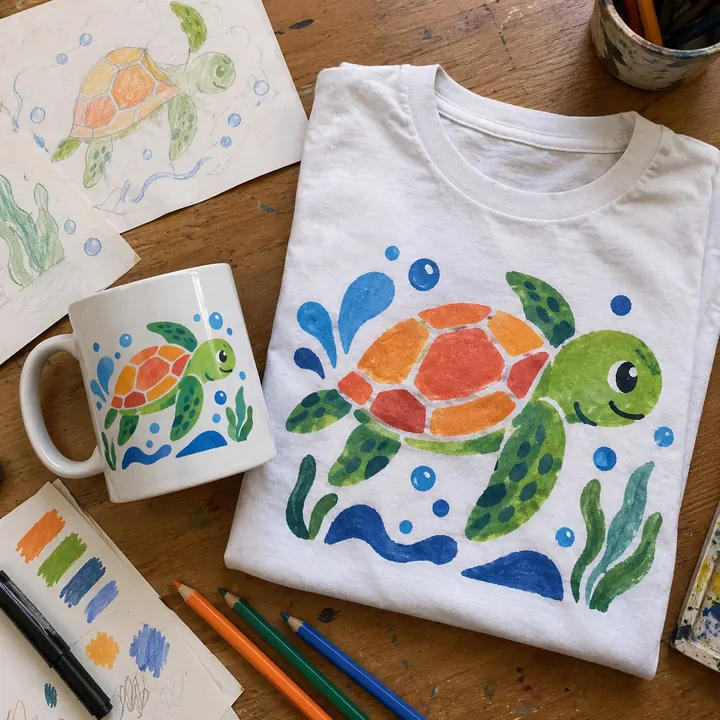
- Focus Camp. One programme for the whole camp, building toward one big project, such as a robot contest on the last day or a T-shirt with the student's own design. Best for students who already love one subject and schools that want an impressive final result.
- Explorer Camp. A different programme each day. The schedule is set with the school before registration, so every student tries each programme in turn. Best for kindergarten and early primary, and students still discovering their interests; it doubles as a taster for next semester's after-school programmes.
- Multi-Track Camp. Two to four programmes run in parallel in different rooms; each student picks one track at registration. Best for schools with many participants and varied interests.
- Themed Camp. One theme across several programmes, leading to one shared creation. For example, "City of the Future": energy through science, vehicles through robotics, buildings through 3D modelling, posters through graphic design. Best for schools that want a special joint project.
- Full-Day Camp. Two sessions a day (morning and afternoon) with different programmes; times and breaks are agreed with the school. Best for families where parents keep working during the holidays.
- Custom Camp. The school or learning centre sets the dates, duration, daily hours, programmes and number of participants. Best for schools with their own calendar or specific needs.
Sample schedule: 5-day Explorer Camp
| Day | Programme | Activity |
|---|---|---|
| Monday | Science Art | Volcano & lava lamp |
| Tuesday | Origami | Cranes, animals and flowers |
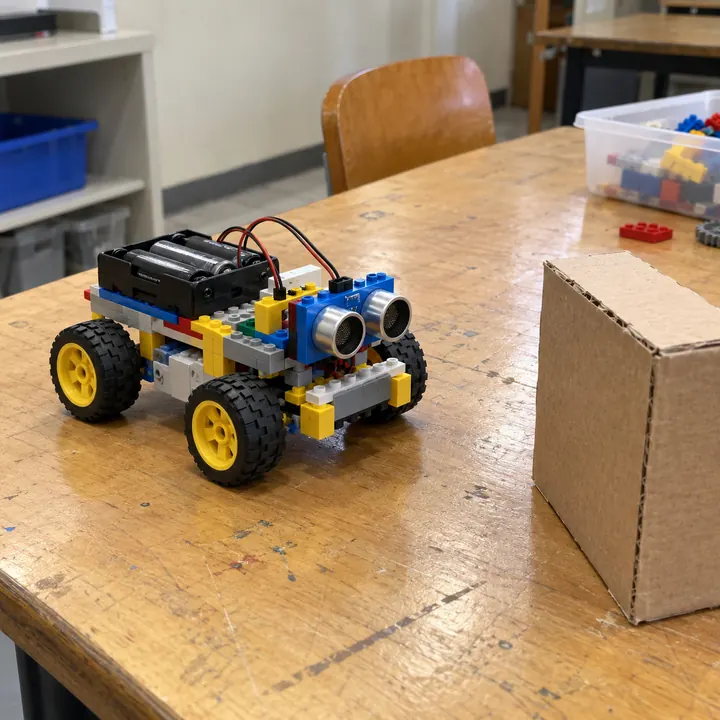
| Wednesday | Robotics | Line-follower robot |
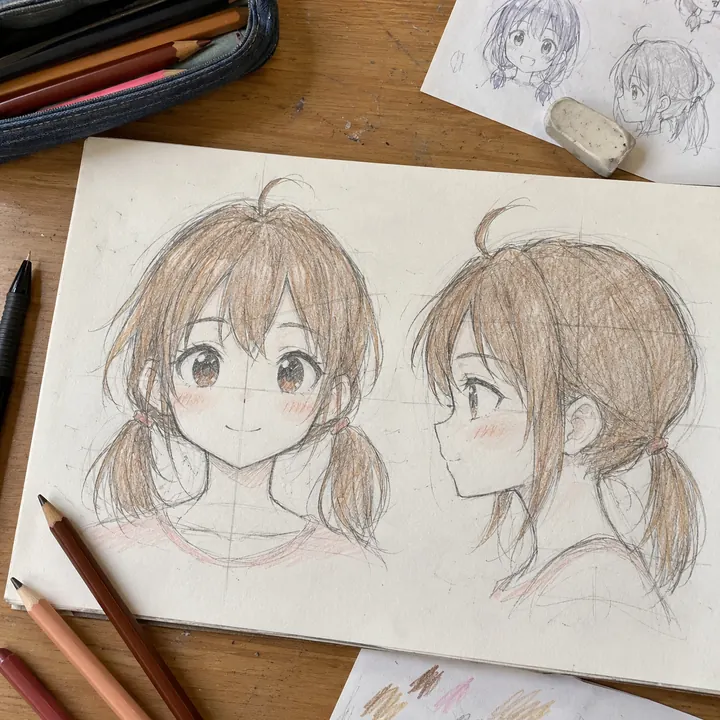
| Thursday | Manga Drawing | Original character |
| Friday | Graphic Design | Poster |
With one programme per day, students get five different experiences in a week without having to choose.

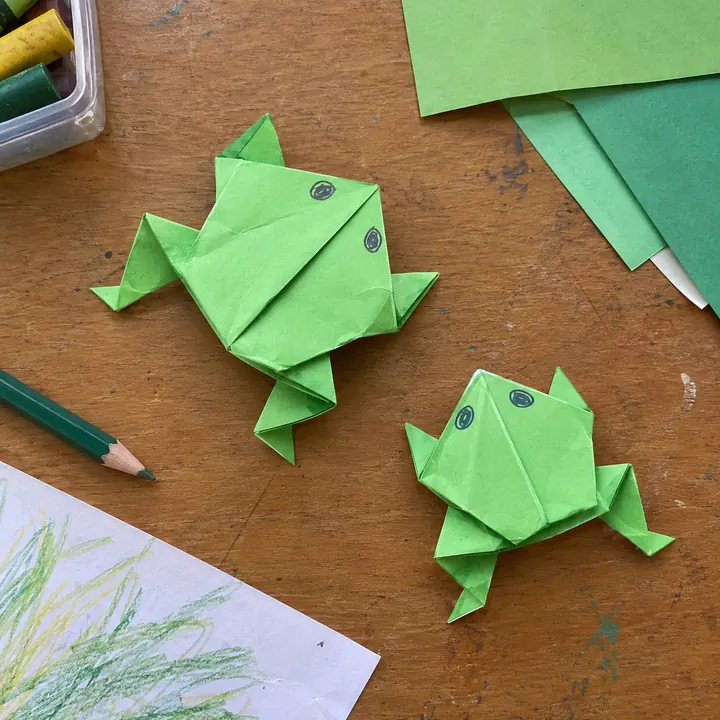
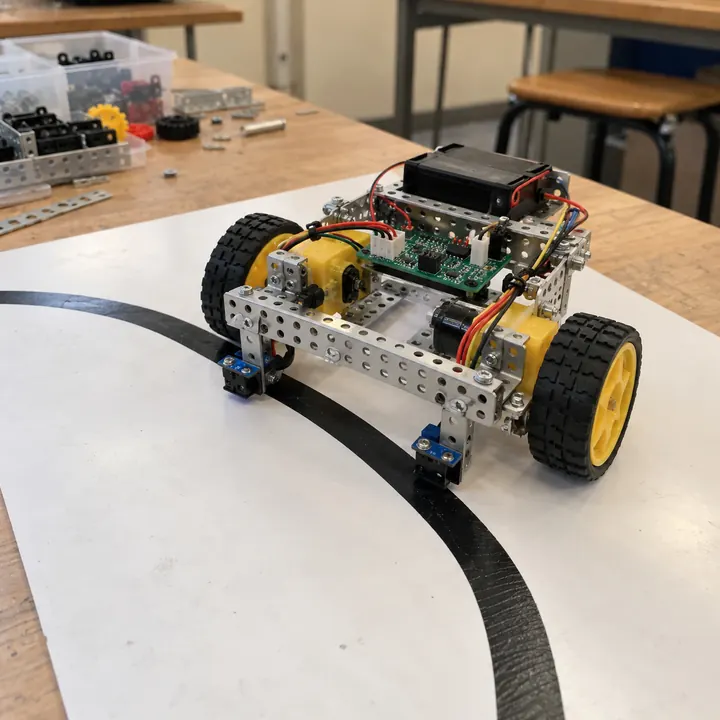
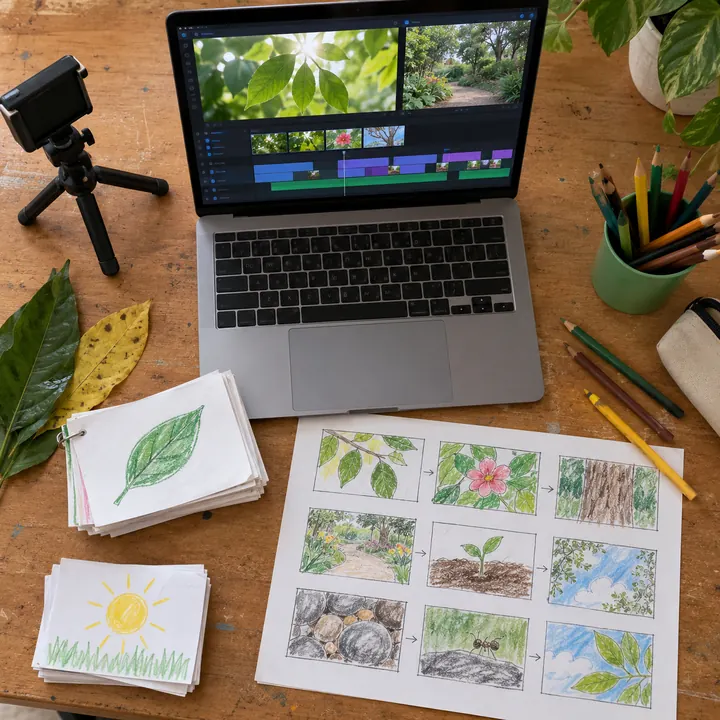
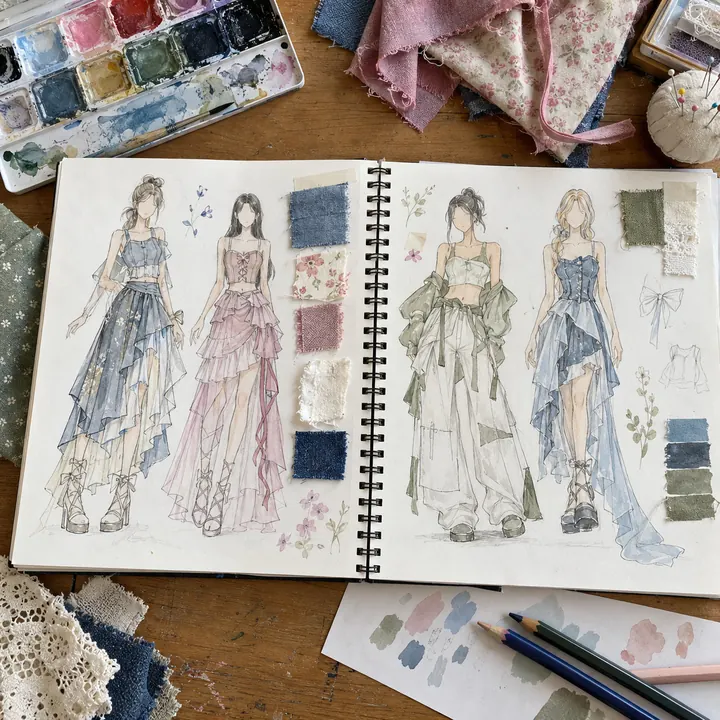
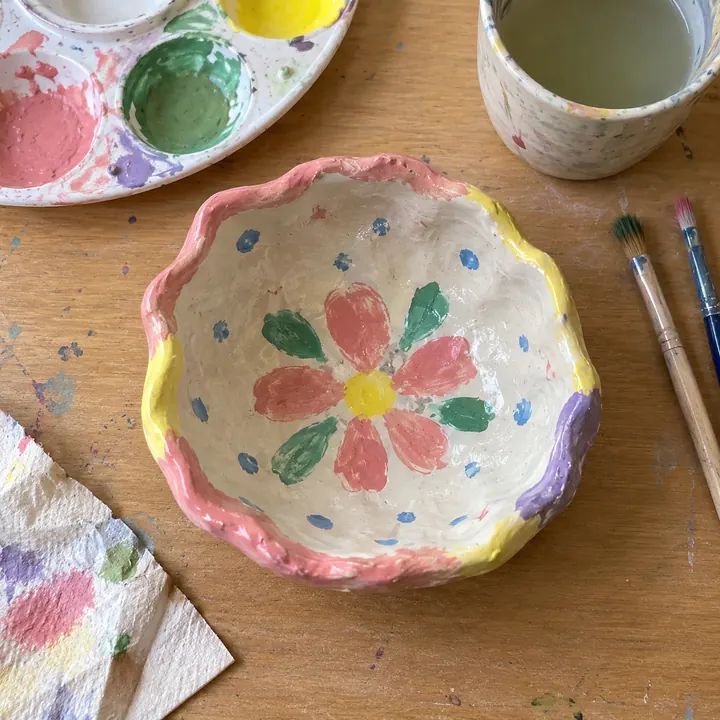
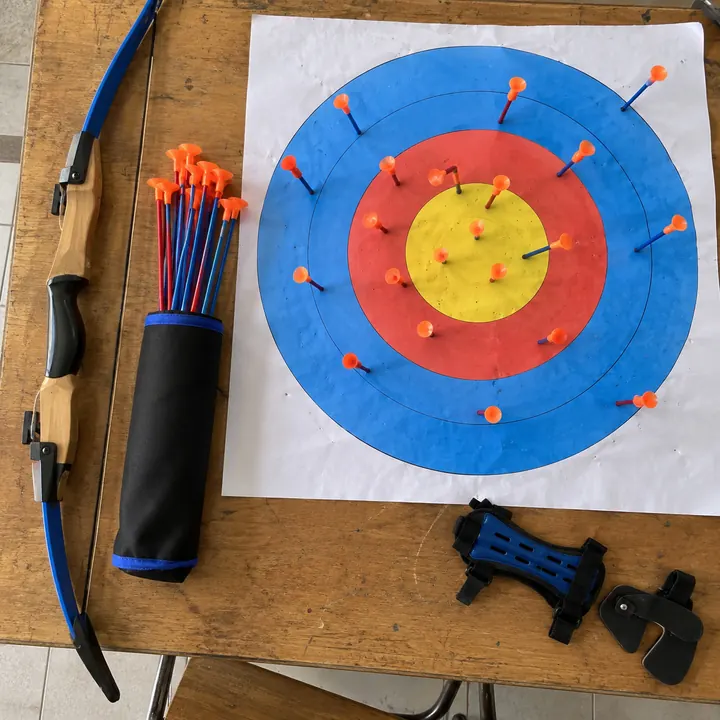
Example projects (illustration)
Choosing a format by grade level
- Kindergarten to early primary: Explorer Camp. Activities with quick, visible results, such as science experiments and origami, keep young children engaged.
- Upper primary to middle school: Focus or Multi-Track Camp. Students at this age enjoy bigger projects, such as a line-follower robot or designing their own T-shirt.
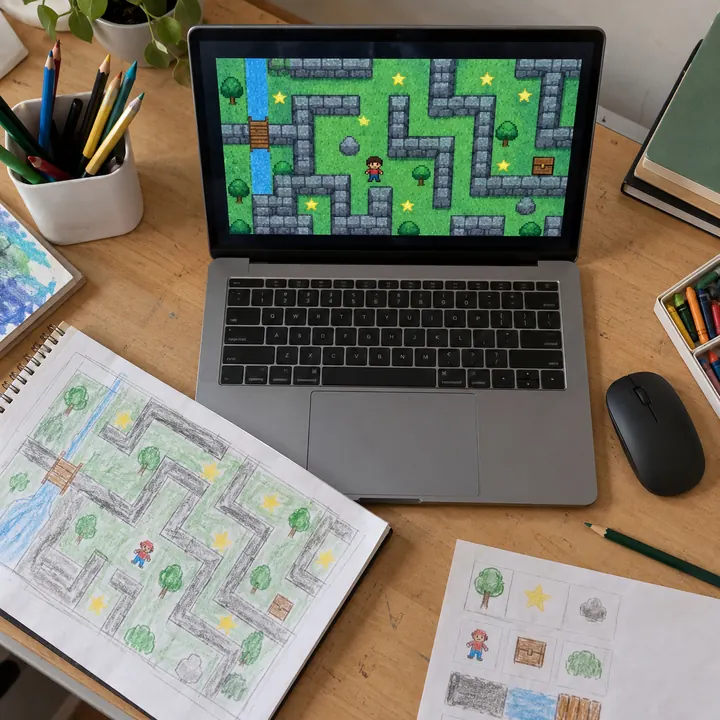
- Middle and high school: a Focus Camp with software-based programmes (Video Editing, 3D Animation, Games & Apps) or Photography. Archery is open from primary school.
- Many participants with varied interests: Multi-Track Camp.
- One shared creation at the end: Themed Camp.
What the school prepares
- A room. A classroom or hall. Archery needs a field or hall with a safe lane of at least 10 metres.
- Dates and times. Set them early, before announcing to parents.
- Student registration. The school opens registration; the provider can prepare the parent announcement.
- Information for parents. Explain each day's programme, session length and what children take home.
When the provider brings the teachers, tools, materials and modules, students do not need to bring anything.
What children take home
Every child takes their project home: origami, a poster, photos, an illustration, a design or a ceramic piece they made themselves. Two practical notes: ceramics need drying and firing, so they are delivered to the school after the camp; for robotics, children take home photos and videos of their robot because the robot kits belong to the provider. A camp certificate and photo and video documentation can also be prepared for parents.
Quick checklist
- Camp dates (5 or 10 days) and session times are set.
- Camp format and programme list are chosen.
- Grade levels and expected number of participants are known.
- The room is ready, including a safe lane if archery is included.
- The parent announcement and registration form are sent, ideally 2–3 weeks before the camp.
Holiday Class with Light Education
Light Education has run after-school programmes at 40+ partner schools since 2014. For a Holiday Class, the teachers, tools, materials and modules come from us; the school provides the room and opens registration. Choose from 12 programmes for kindergarten to Grade 12 in any of the six formats above, for 5 days, 10 days or a custom length.